Welcome to Zoroastrian Light!
If you prefer FARSI translation,
SCROLL DOWN BELOW!
If you’re here, you’re likely looking for a deeper connection to one of the world’s oldest living faiths. Whether you’ve grown up in the tradition or are just discovering it now in 2026, we are thrilled to have you.
This post marks the very beginning of our foundational series. Before we dive into the complex rituals, the beautiful prayers, or our upcoming special campaign on sacred calendars, we need to understand where it all began. To understand the light, we have to look back at the dawn.
The Ancient Roots: A World of Many Gods
Zoroastrianism didn’t appear in a vacuum. It emerged over 3,500 years ago in the rugged landscapes of Central Asia and Ancient Iran. At the time, the people were largely nomadic or semi-nomadic, living in a world they believed was populated by dozens of different deities, spirits, and unpredictable natural forces.
Religion back then was often about appeasement: offering sacrifices to keep the gods happy so the rains would come or the cattle would thrive. It was into this complex, polytheistic world that a man named Zarathustra (known to the Greeks as Zoroaster) was born.
The Vision of Zarathustra
Zarathustra wasn’t just a philosopher; he was a priest who began to question the status quo. He saw the violence of the raiding tribes and the corruption of the old religious practices. He spent years in reflection, seeking a truth that felt more permanent and more ethical than the chaos around him.
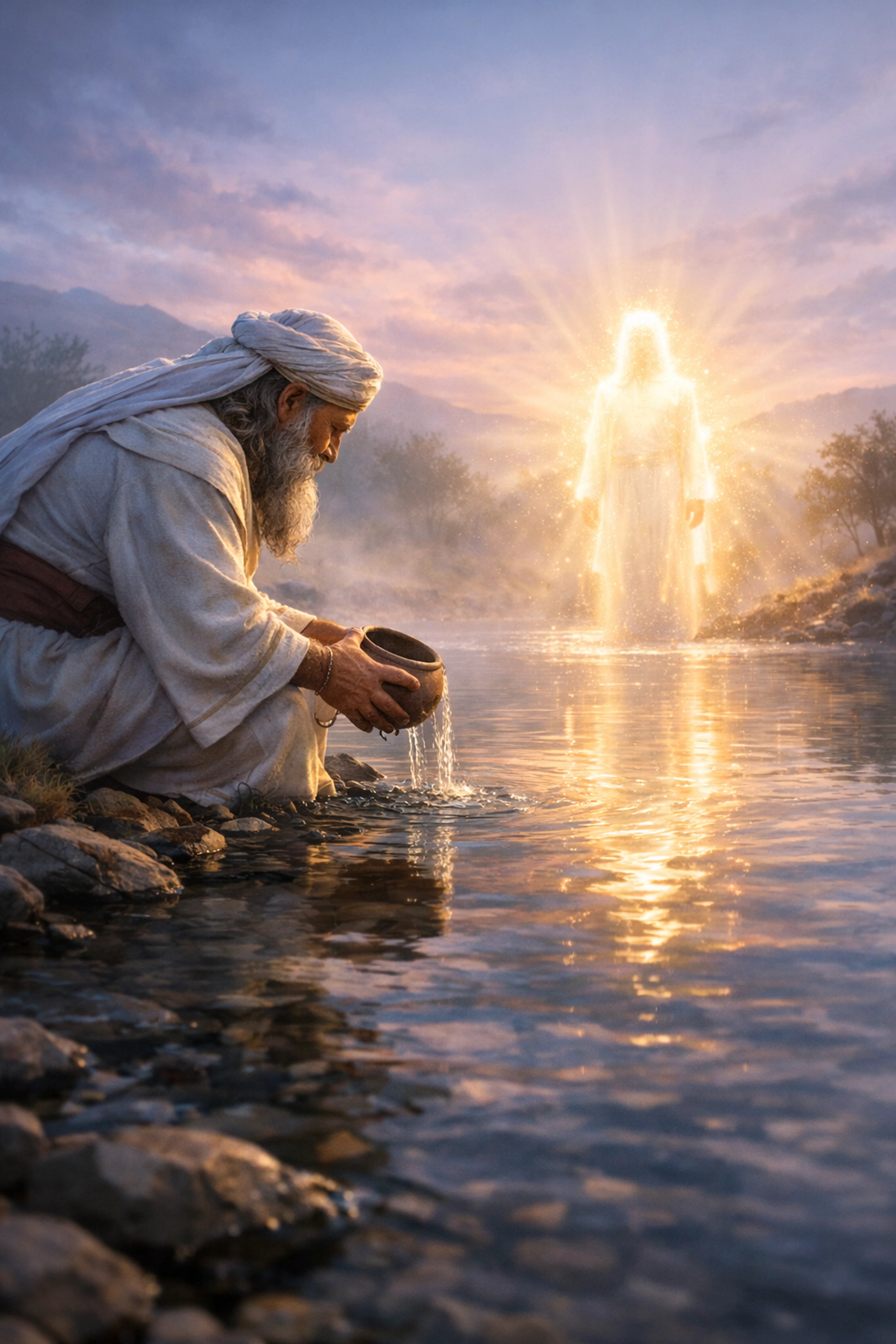
The turning point came during a spring festival. While drawing water from a river for a ritual, Zarathustra had a profound vision on the bank. He saw a shining being: Vohu Manah (Good Mind): who led him to the presence of Ahura Mazda, the “Wise Lord.”
In this moment, the foundation of Zoroastrianism was laid. Zarathustra realized that there wasn’t a pantheon of squabbling gods, but one supreme, benevolent Creator: Ahura Mazda. This was one of the first recorded instances of monotheism in human history, and it changed everything.
Ahura Mazda and the Choice of Asha
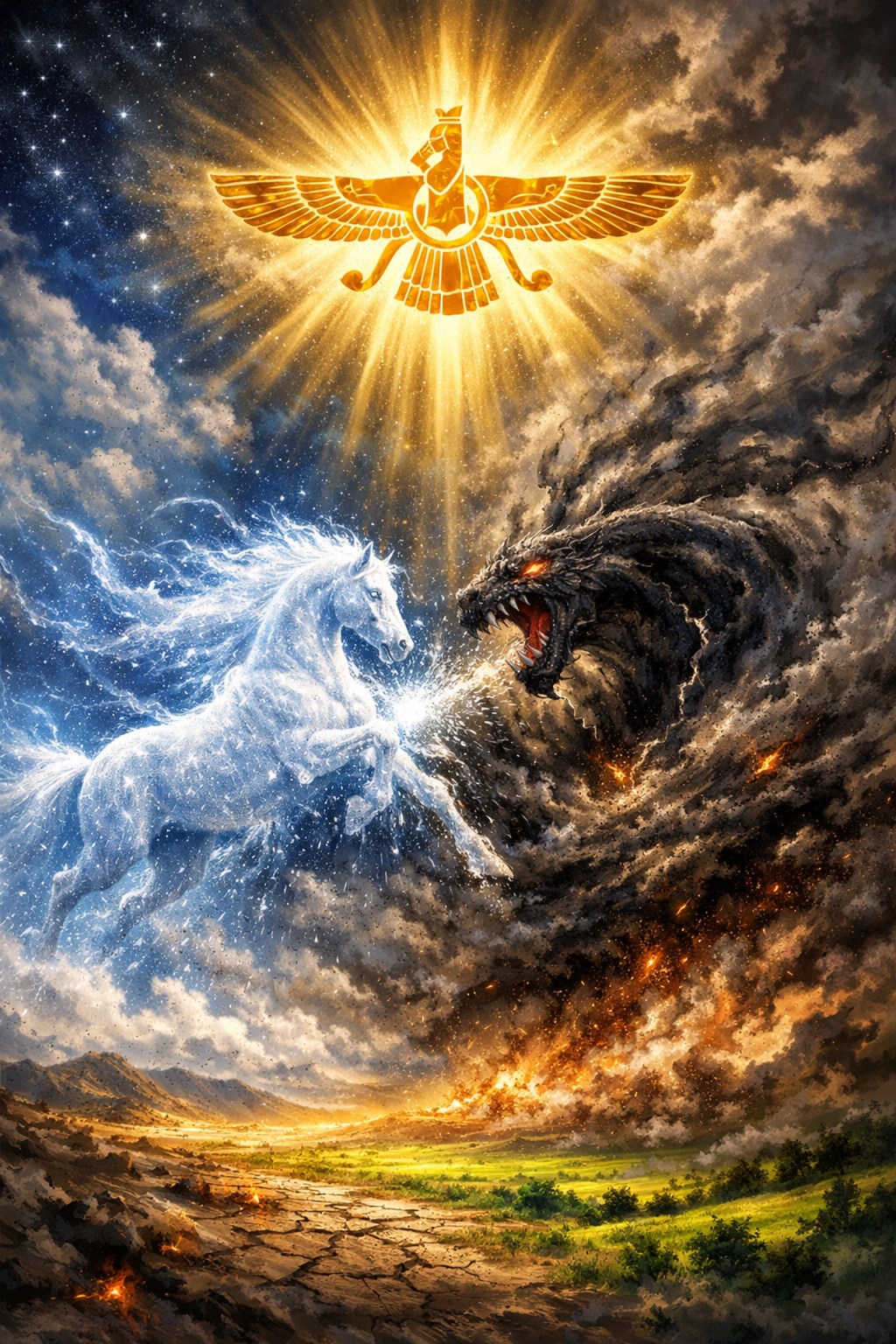
At the heart of Zoroastrianism is a beautiful, yet simple, cosmic framework. Ahura Mazda is the source of all light, truth, and life. However, there is an opposing force: Angra Mainyu (or Ahriman): which represents darkness, deceit, and destruction.
This isn’t just a battle happening in the heavens; it’s a battle happening inside every one of us. Zarathustra taught that humans have “Urvan” (a soul) and “Fravashi” (a divine essence), and most importantly, we have “Bezt” (free will).
The goal of a Zoroastrian life is to align oneself with Asha: the divine order, truth, and righteousness. We do this through the three famous pillars:
- Humata (Good Thoughts)
- Hukhta (Good Words)
- Hvarshta (Good Deeds)
By choosing Asha over Druj (deceit), we help Ahura Mazda in the ongoing struggle to perfect the world. It’s an empowering message: you aren’t a pawn of the gods; you are a co-worker with the Divine.
The First Period of Greatness: The Achaemenian Empire
Fast forward to around 550 BC. Zoroastrianism wasn’t just a local movement anymore; it became the spiritual backbone of the Achaemenian Empire under Cyrus the Great.
Cyrus is a fascinating figure in history. He is often remembered for his incredible tolerance. When he conquered Babylon, he didn’t force Zoroastrianism on the people. Instead, he freed the enslaved, including the Jewish people, and helped them return to Jerusalem to rebuild their temple. This spirit of justice and human rights is deeply rooted in the Zoroastrian belief that every person must choose their own path.
During this era, the religion flourished across the Near East. The majestic ruins of Persepolis still stand today as a testament to the scale and beauty of this civilization, where the symbol of the Faravahar was carved into stone to remind everyone of the soul’s journey toward the light.

The Sassanian Zenith and the Preservation of the Avesta
After the invasion of Alexander the Great (which caused a dark age for the faith), Zoroastrianism saw a massive resurgence during the Sassanian Empire (224–651 AD). This was the second great peak of Zoroastrian history.
The Sassanian kings made Zoroastrianism the official state religion. It was during this time that much of the oral tradition was finally committed to writing. The Avesta, our primary collection of sacred texts, was compiled. This included the Gathas: the original, beautiful hymns composed by Zarathustra himself.
The Sassanian era was one of intense intellectual and spiritual activity. Schools were founded, and the “Eternal Fires” were established across the land, symbolizing the presence of Ahura Mazda’s light in the world.
A Legacy That Shaped the World
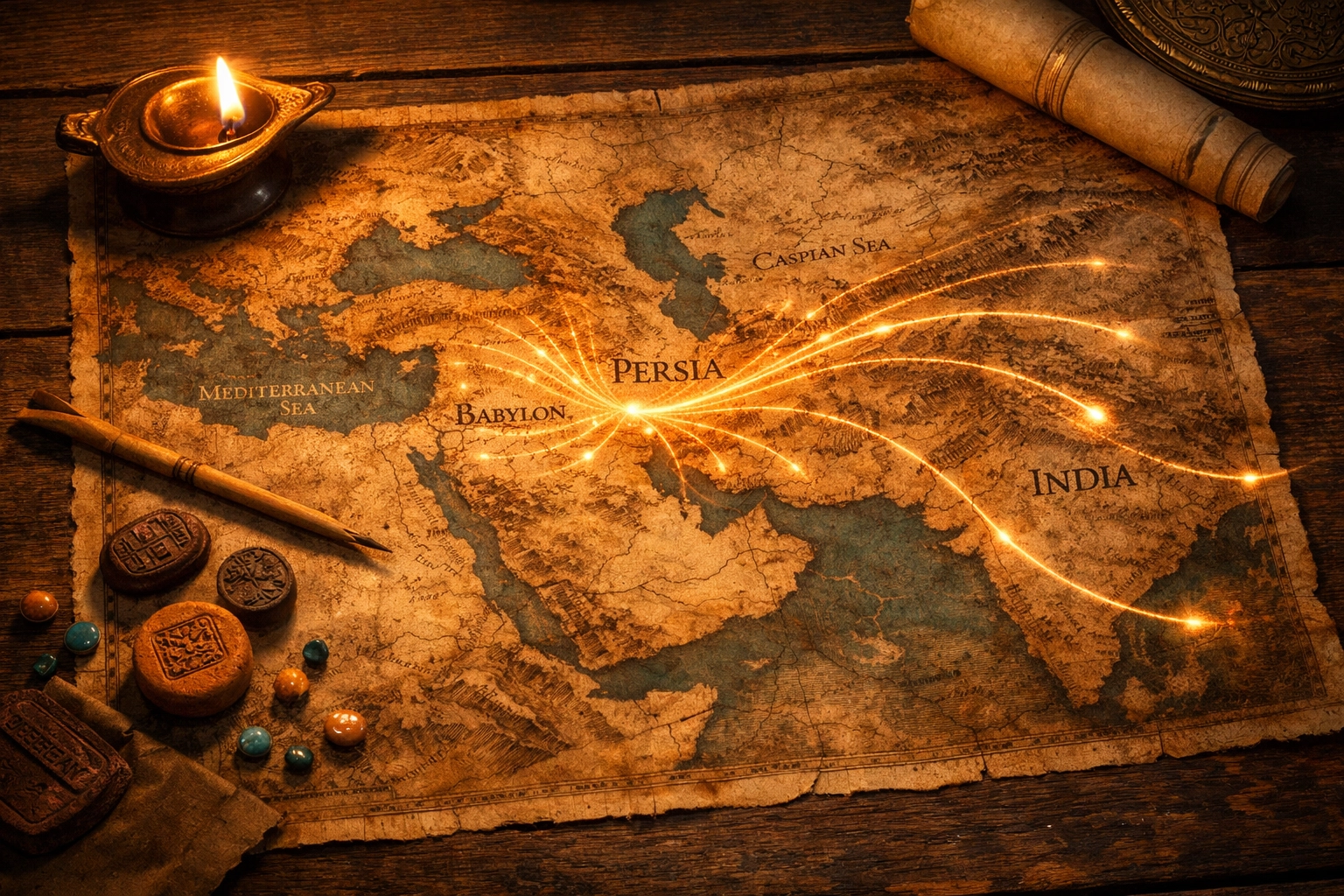
You might not realize it, but Zoroastrianism has influenced almost every major religion that followed. Because it was the dominant faith of the Persian Empire for over a millennium, its concepts traveled along the Silk Road and through trade routes.
Scholars often point to Zoroastrianism as the source for several key concepts in Judaism, Christianity, and Islam, including:
- The concept of Heaven and Hell: The idea of a final judgment after death.
- Angels and Demons: The hierarchy of spiritual beings.
- The Savior figure: The “Saoshyant” who will bring about the end of time and the renewal of the world.
- The Resurrection: The belief that the physical body and the world will eventually be purified and made perfect again.
When you study Zoroastrianism, you aren’t just looking at an “ancient” religion; you’re looking at the roots of Western and Middle Eastern spiritual thought.
Survival and the Diaspora
With the Arab conquest of Persia in the 7th century, the landscape shifted dramatically. While many converted to Islam, a dedicated group of Zoroastrians sought to preserve their faith. Some remained in Iran, primarily around Yazd and Kerman, facing centuries of hardship with incredible resilience.
Others traveled by sea to the shores of Gujarat, India. These migrants became known as the Parsis. In India, they found a new home and eventually became one of the most successful and philanthropic communities in the world. Today, the Zoroastrian community is global: from Mumbai and Tehran to London, Toronto, and Los Angeles.
At Zoroastrian Light, we see this digital space as the modern-day “caravanserai”: a place where the global community can gather to learn, share, and keep the flame of Zarathustra’s wisdom burning bright.
Looking Ahead: Sacred Calendars and Holidays
This history is just the beginning. To truly live the faith, you have to understand its rhythm.
We are excited to announce that we are launching a special campaign featuring Eva and Sunny, who will be guiding us through the intricate world of Zoroastrian sacred calendars. Did you know there are multiple calendars? Some follow the sun, while others have stayed aligned with ancient lunar cycles.
Understanding these calendars is the key to preparing for our upcoming holidays. Each holiday is an opportunity to refresh our commitment to “Good Thoughts, Good Words, and Good Deeds.” Our next few posts will break down these different systems so you can stay in sync with the community, no matter where you are in the world.
Join the Journey
We are building something special here at Zoroastrian Light. If you want to dive deeper into the Gathas, learn the history of our festivals, or simply find a community that values wisdom and truth, we invite you to be a part of this.
To get full access to our educational resources and upcoming holiday guides, make sure to create your account here.
Zoroastrianism isn’t just about the past; it’s about how we choose to live today. It’s about being a light in a world that can sometimes feel very dark. We’re glad you’re here to help us spread that light.
Stay tuned for our next post, where we tackle the “Time of the Wise”: an exploration of the sacred Zoroastrian calendars!
سپیدهدمِ خرد: سفری در تاریخ زرتشتیگری
![[HERO] The Dawn of Wisdom: A Journey Through the History of Zoroastrianism](https://cdn.marblism.com/IzXz_OKD1a8.webp)
به زرتشتیلایت خوش آمدید! اگر اینجا هستید، احتمالاً دنبال ارتباط عمیقتری با یکی از کهنترین ادیان زندهی جهان میگردید. چه در این سنت بزرگ شده باشید و چه تازه در سال ۲۰۲۶ با آن آشنا شده باشید، واقعاً خوشحالیم که اینجایید.
این پست، شروعِ سری پایهای ماست. قبل از اینکه وارد آیینهای پیچیده، نیایشهای زیبا، یا کمپین ویژهی آیندهمان دربارهی تقویمهای مقدس بشیم، باید بفهمیم همهچیز از کجا شروع شد. برای فهمیدنِ نور، باید برگردیم به سپیدهدم.
ریشههای باستانی: جهانی با خدایان بسیار
زرتشتیگری در خلأ بهوجود نیومد. بیش از ۳۵۰۰ سال پیش، در چشماندازهای سختِ آسیای مرکزی و ایران باستان شکل گرفت. آن زمان، مردم عمدتاً کوچنشین یا نیمهکوچنشین بودند و در جهانی زندگی میکردند که باور داشتند پر از دهها خدا، روح، و نیروهای طبیعیِ غیرقابلپیشبینی است.
دین در آن دوره غالباً دربارهی راضی نگه داشتن بود: قربانی دادن تا خدایان خوشحال بشن، باران بیاد، یا گلهها رشد کنن. در همین دنیای چندخداییِ پیچیده بود که مردی به نام زرتشت (که یونانیها او را زرتوستر مینامیدند) به دنیا آمد.
مکاشفهی زرتشت
زرتشت فقط یک فیلسوف نبود؛ او موبدی بود که شروع کرد به سؤال کردن از وضع موجود. خشونتِ قبایلِ یورشگر و فسادِ آیینهای دینیِ قدیمی را میدید. سالها در تفکر و خلوت گذروند و دنبال حقیقتی گشت که از آشوب اطرافش پایدارتر و اخلاقیتر به نظر میرسید.
نقطهی عطف، در جشنِ بهاری رخ داد. وقتی برای یک مراسم، از رودخانه آب برمیداشت، روی ساحل مکاشفهای عمیق تجربه کرد. موجودی درخشان دید: وهومن (اندیشهی نیک)؛ که او را به حضورِ اهورامزدا، «سرورِ دانا»، راهنمایی کرد.
در همان لحظه، بنیاد زرتشتیگری شکل گرفت. زرتشت دریافت که خبری از گروهی از خدایانِ درگیر و ناسازگار نیست؛ بلکه یک آفریدگارِ یگانه و نیکاندیش وجود دارد: اهورامزدا. این، یکی از نخستین نمونههای ثبتشدهی یکتاپرستی در تاریخ بشر بود و همهچیز را تغییر داد.
اهورامزدا و انتخابِ اَشَه
در قلب زرتشتیگری، یک چارچوب کیهانیِ زیبا اما ساده وجود دارد. اهورامزدا سرچشمهی همهی نور، راستی، و زندگی است. با این حال، یک نیروی مخالف هم هست: اَنگرهمَینیو (یا اهریمن)؛ که نمایندهی تاریکی، فریب، و ویرانی است.
این فقط جنگی در آسمانها نیست؛ این نبرد درونِ تکتکِ ما هم جریان دارد. زرتشت آموزش داد که انسان «اُروان» (روح) و «فَرَوَشی» (گوهرِ ایزدی) دارد و مهمتر از همه، «بِزت» (اختیار) دارد.
هدفِ زندگیِ زرتشتی این است که خود را با اَشَه هماهنگ کنیم: نظمِ الهی، حقیقت، و دادگری. این کار را با سه ستون معروف انجام میدهیم:
- هومت (اندیشهی نیک)
- هوخت (گفتارِ نیک)
- هَورَشت (کردارِ نیک)
با انتخابِ اَشَه به جای دُروج (دروغ و فریب)، به اهورامزدا در تلاشِ همیشگی برای کامل کردنِ جهان کمک میکنیم. پیامش توانمندساز است: تو مهرهی بازیِ خدایان نیستی؛ تو همکارِ امرِ الهی هستی.
نخستین دورهی شکوه: امپراتوری هخامنشی
بریم جلو تا حدود ۵۵۰ پیش از میلاد. زرتشتیگری دیگر فقط یک جنبشِ محلی نبود؛ در زمان کوروش بزرگ، ستونِ معنویِ امپراتوری هخامنشی شد.
کوروش در تاریخ چهرهی جذابی است. او را اغلب به خاطر مدارای بینظیرش میشناسند. وقتی بابل را فتح کرد، زرتشتیگری را به مردم تحمیل نکرد. به جای آن، بردگان را آزاد کرد، از جمله قوم یهود، و کمک کرد به اورشلیم برگردند تا معبدشان را بازسازی کنند. این روحیهی عدالت و حقوق انسانی، ریشهی عمیقی در باور زرتشتی دارد که هر انسان باید راه خودش را انتخاب کند.
در این دوره، دین در سراسر خاور نزدیک شکوفا شد. ویرانههای باشکوهِ تختجمشید هنوز هم امروز پابرجاست؛ شاهدی بر عظمت و زیباییِ این تمدن، جایی که نمادِ فَرَوَهَر روی سنگ کندهکاری میشد تا مسیرِ روح به سوی نور را یادآوری کند.
اوجِ ساسانی و حفظِ اوستا
بعد از یورشِ اسکندر مقدونی (که برای ایمان، یک دورهی تاریک ایجاد کرد)، زرتشتیگری در زمان امپراتوری ساسانی (۲۲۴ تا ۶۵۱ میلادی) یک بازگشتِ بزرگ داشت. این دومین قلهی بزرگِ تاریخ زرتشتی بود.
شاهان ساسانی، زرتشتیگری را دین رسمیِ دولت کردند. در همین زمان بود که بخش بزرگی از سنتِ شفاهی بالاخره به نوشتار تبدیل شد. اوستا، مجموعهی اصلیِ متنهای مقدس ما، تدوین شد. این شامل گاتها هم بود: سرودهای اصیل و زیبایی که خودِ زرتشت سروده بود.
دورهی ساسانی، زمانِ فعالیتِ شدیدِ فکری و معنوی بود. مدرسهها تأسیس شد و «آتشهای جاودان» در سراسر سرزمین برپا شد؛ نمادی از حضورِ نورِ اهورامزدا در جهان.
میراثی که جهان را شکل داد
شاید متوجه نباشید، اما زرتشتیگری روی تقریباً هر دینِ بزرگِ بعدی اثر گذاشته. چون بیش از هزار سال دینِ غالبِ امپراتوری ایران بود، مفهومهایش از مسیرِ جادهی ابریشم و راههای بازرگانی منتقل شد.
پژوهشگران اغلب به زرتشتیگری به عنوان سرچشمهی چند مفهوم کلیدی در یهودیت، مسیحیت، و اسلام اشاره میکنند، از جمله:
- مفهوم بهشت و دوزخ: ایدهی داوریِ نهایی پس از مرگ.
- فرشتگان و دیوان: سلسلهمراتبِ موجوداتِ معنوی.
- چهرهی نجاتدهنده: «سوشیانت» که پایانِ زمان و نوسازیِ جهان را رقم میزند.
- رستاخیز: باور به اینکه بدنِ مادی و جهان در نهایت پاکسازی میشوند و دوباره به کمال میرسند.
وقتی زرتشتیگری را مطالعه میکنی، فقط به یک دینِ «کهن» نگاه نمیکنی؛ داری ریشههای اندیشهی معنویِ غرب و خاورمیانه را میبینی.
بقا و پراکندگی
با فتحِ عرب و ورود به ایران در قرن هفتم میلادی، شرایط به شکل چشمگیری تغییر کرد. در حالی که بسیاری مسلمان شدند، گروهی از زرتشتیان با تعهد بالا تلاش کردند ایمان خود را حفظ کنند. بعضی در ایران ماندند، عمدتاً در اطراف یزد و کرمان، و قرنها سختی را با پایداریِ شگفتانگیز تحمل کردند.
گروهی دیگر از راهِ دریا به سواحلِ گجرات در هند رفتند. این مهاجران با نام پارسیان شناخته شدند. در هند، خانهی تازهای پیدا کردند و در نهایت تبدیل به یکی از موفقترین و خیرخواهترین جوامع جهان شدند. امروز جامعهی زرتشتی جهانی است: از بمبئی و تهران تا لندن، تورنتو، و لسآنجلس.
در Zoroastrian Light، ما این فضای دیجیتال را «کاروانسرای» امروزی میبینیم: جایی که جامعهی جهانی میتواند دور هم جمع شود، یاد بگیرد، تجربهها را به اشتراک بگذارد، و شعلهی خردِ زرتشت را روشن نگه دارد.
نگاهی به جلو: تقویمها و جشنهای مقدس
این تاریخ، فقط شروع است. برای اینکه واقعاً ایمان را زندگی کنی، باید ریتمِ آن را بشناسی.
با هیجان اعلام میکنیم که داریم یک کمپین ویژه با حضور ایوا و سانی راهاندازی میکنیم؛ که قرار است ما را در دنیای دقیقِ تقویمهای مقدس زرتشتی راهنمایی کنند. میدانستی چند تقویم مختلف وجود دارد؟ بعضی بر اساس خورشید هستند، و بعضی دیگر با چرخههای قمریِ باستانی همراستا ماندهاند.
فهمیدنِ این تقویمها کلیدِ آمادگی برای جشنهای پیشِ روست. هر جشن فرصتی است برای تازه کردنِ تعهد ما به «اندیشهی نیک، گفتارِ نیک، کردارِ نیک». در چند پست بعدی، این سیستمهای مختلف را باز میکنیم تا هرجا که هستی، هماهنگ با جامعه بمونی.
به سفر بپیوند
ما در زرتشتیلایت داریم چیزی ویژه میسازیم. اگر میخوای عمیقتر وارد گاتها بشی، تاریخِ جشنهامون رو یاد بگیری، یا فقط یک جامعه پیدا کنی که برای خرد و راستی ارزش قائل است، دعوتت میکنیم بخشی از این مسیر باشی.
برای دسترسی کامل به منابع آموزشی و راهنماهای جشنهای آینده، حتماً از اینجا حساب کاربری بساز.
زرتشتیگری فقط دربارهی گذشته نیست؛ دربارهی این است که امروز چطور زندگی میکنیم. دربارهی این است که چراغی باشیم در جهانی که گاهی خیلی تاریک به نظر میرسد. خوشحالیم که اینجایی تا کمک کنی این نور را بیشتر پخش کنیم.
منتظر پست بعدی ما باش؛ جایی که سراغ «زمانِ خردمندان» میرویم: کاوشی در تقویمهای مقدس زرتشتی!
 Zoroastrian Light - Blog
Leave a comment