![[HERO] Sizdah Bedar 2026: Embracing Nature’s Light and Our Ancient Roots](https://cdn.marblism.com/e1HE-tpiskz.webp)
Farsi Translation if you scroll down. Download our prayer app: https://zoroastrianlight.com
Welcome, seekers of light. As the wheel of the year turns and the vibrant festivities of Nowruz reach their crescendo, we prepare for the most joyous outdoor celebration of our faith: Sizdah Bedar. On this thirteenth day of the New Year, we step out of our homes and into the embrace of Ahura Mazda’s creation. It is a day to honor the earth, cleanse our spirits, and reaffirm our commitment to the path of Asha (Truth and Righteousness).
In our Zoroastrian tradition, Sizdah Bedar is not merely a picnic; it is a sacred act of communion with nature. It is the final “jenn” (celebration) of the Nowruz season, ensuring we carry the light of the new year into the world with vitality and joy.
The Sacred History: Tishtrya’s Victory
To understand why we celebrate this day, we look to the heavens and our ancient scriptures. In the Zoroastrian calendar, the thirteenth day of every month is dedicated to Tishtrya, the Yazata (divinity) of the Rain Star (Sirius).
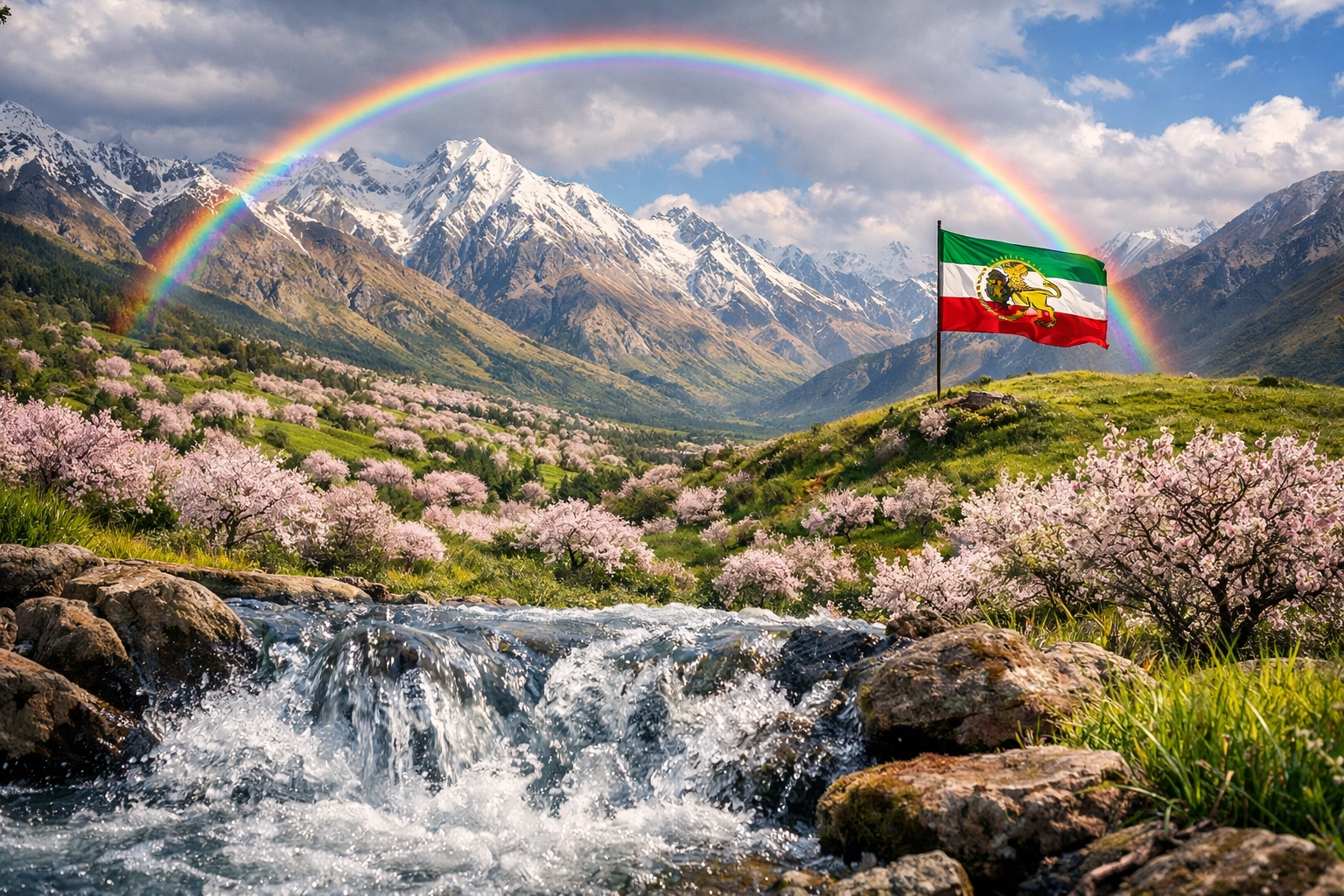
Our legends tell of the cosmic battle between Tishtrya and the demon of drought, Apaosha. For ten days and nights, they struggled. Eventually, through the power of prayer and the strength of the righteous, Tishtrya emerged victorious, bringing life-giving rain to the parched earth. When we go out into nature on Sizdah Bedar, we are celebrating this triumph of abundance over scarcity, and light over darkness. We honor the water that sustains us and the greenery that feeds our souls.

Releasing the Sabzeh: Letting Go of the Old
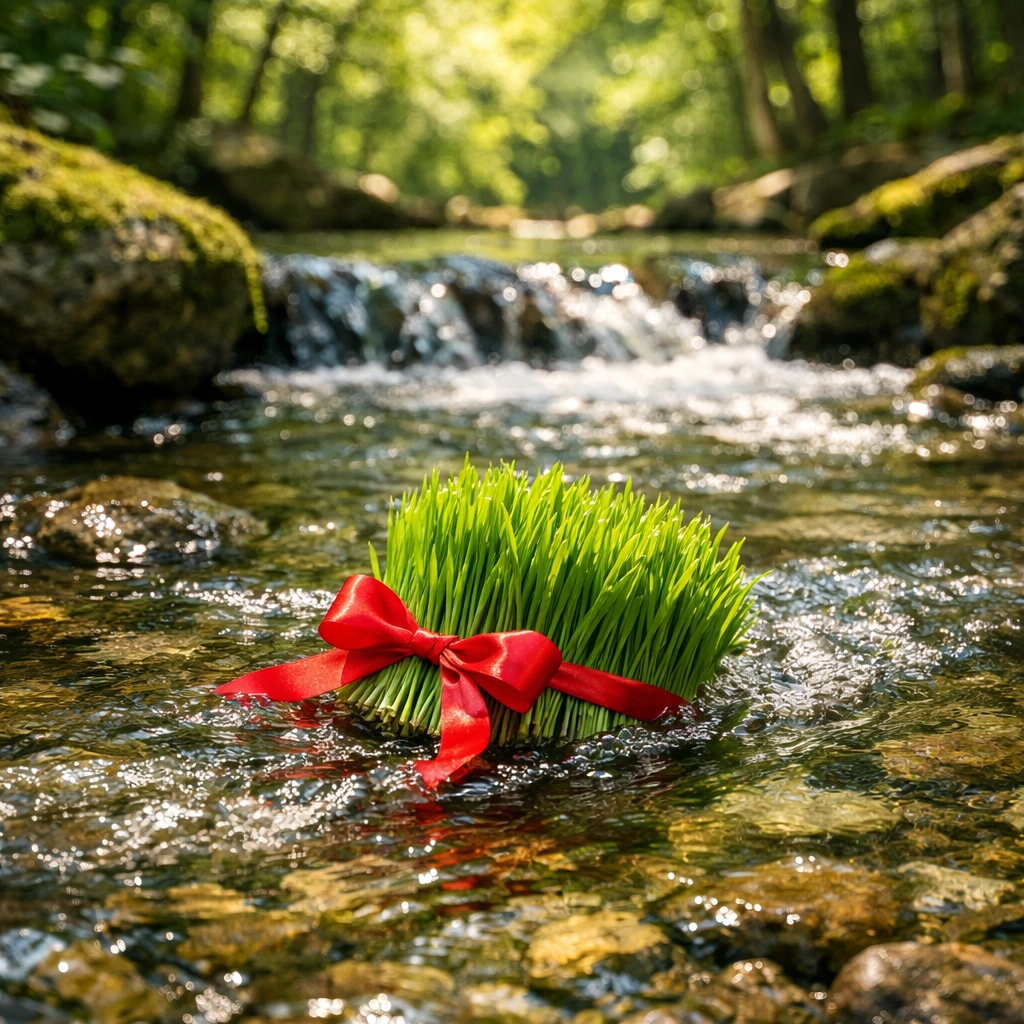
Throughout the twelve days of Nowruz, the Sabzeh (wheat or lentil sprouts) on our Haft-sin table has been absorbing the “negativity” or “illness” of the household. It has acted as a spiritual filter, gathering any stagnant energy from the past year.
On Sizdah Bedar, we take these greens to a source of running water—a stream, a river, or a spring. As we release the Sabzeh into the current, we recite prayers of gratitude. We watch as the water carries away the old energy, returning it to the earth to be purified. This ritual reminds us that life is a flow. To receive the blessings of the new year, we must be willing to let go of what no longer serves our spirit.
Gereh Zadan: Tying Our Hopes to the Earth
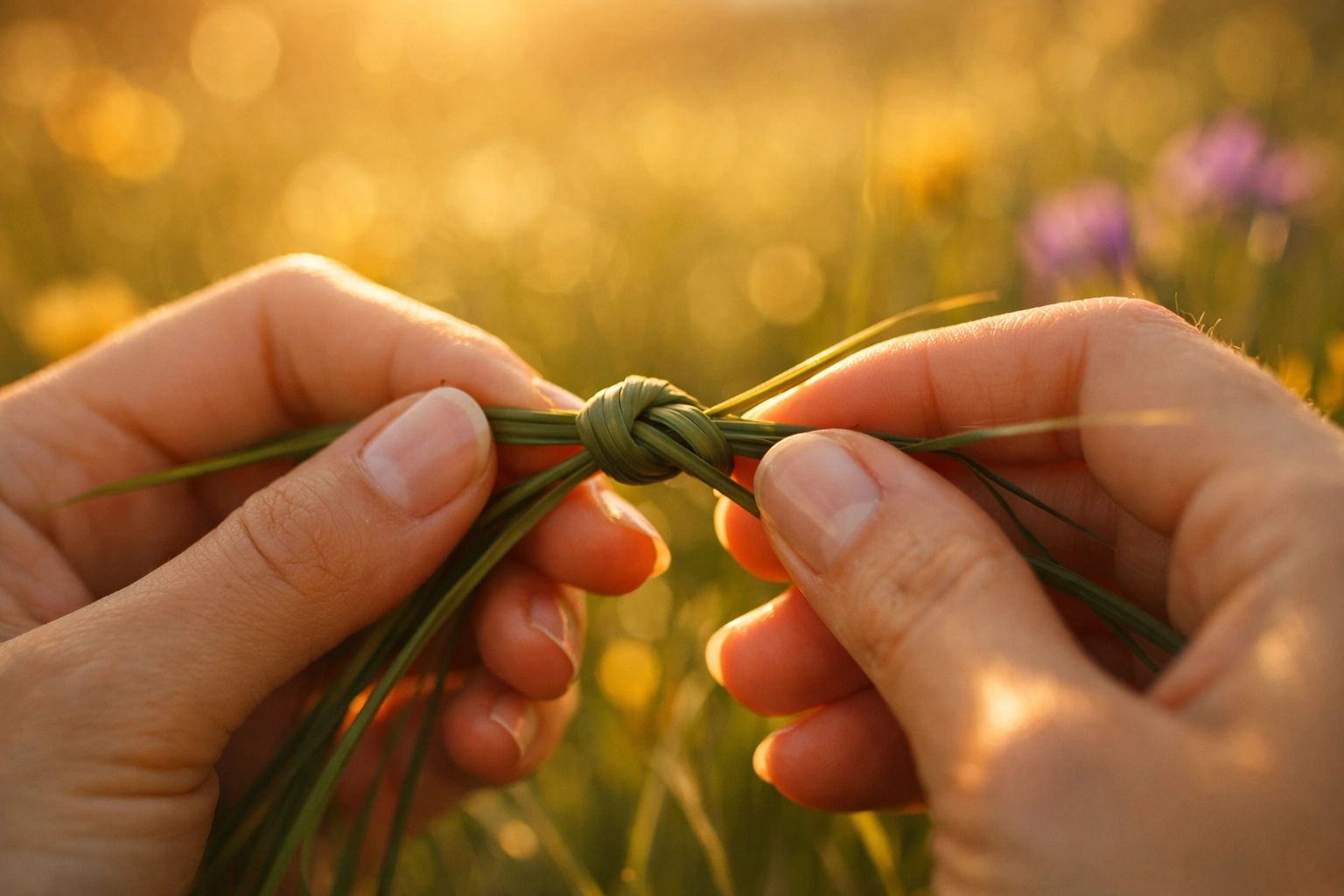
One of the most beautiful and casual traditions we observe is Gereh Zadan—the knotting of grass. As we sit in the lush fields, we take blades of green grass and gently tie them together.
For the youth, this is often a wish for a soulmate or a future marriage. For others, it is a physical manifestation of a deep intention or a prayer to Ahura Mazda. As the grass grows and eventually withers, the knot “opens,” symbolizing the release of our wish into the universe to be fulfilled. It is a moment of quiet reflection amidst the laughter of the picnic, a direct link between our hearts and the soil.
Joy as a Form of Worship
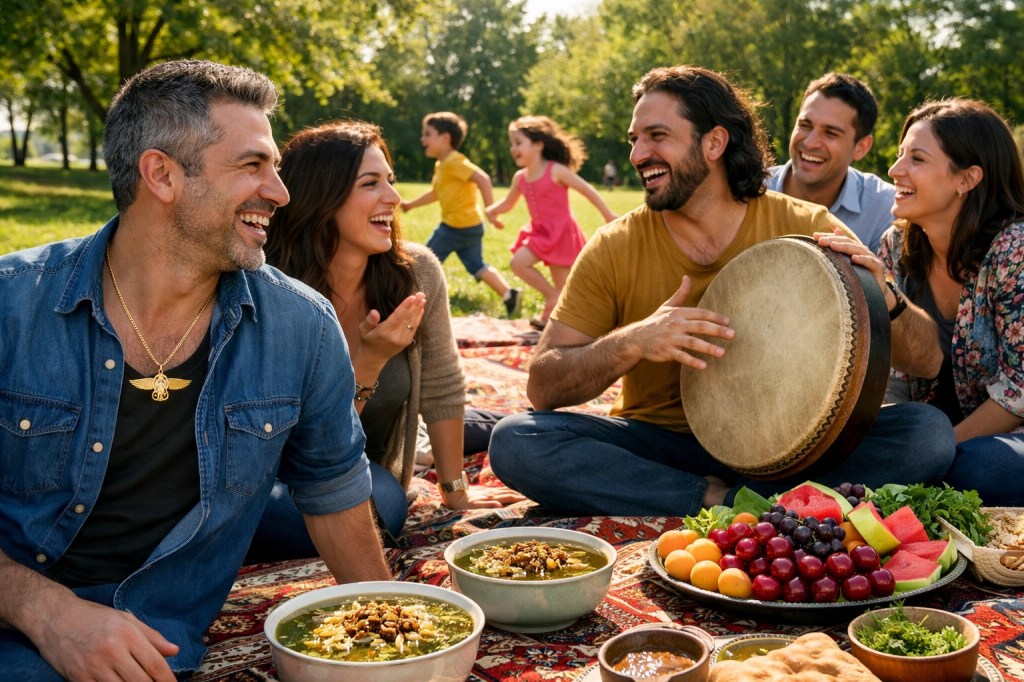
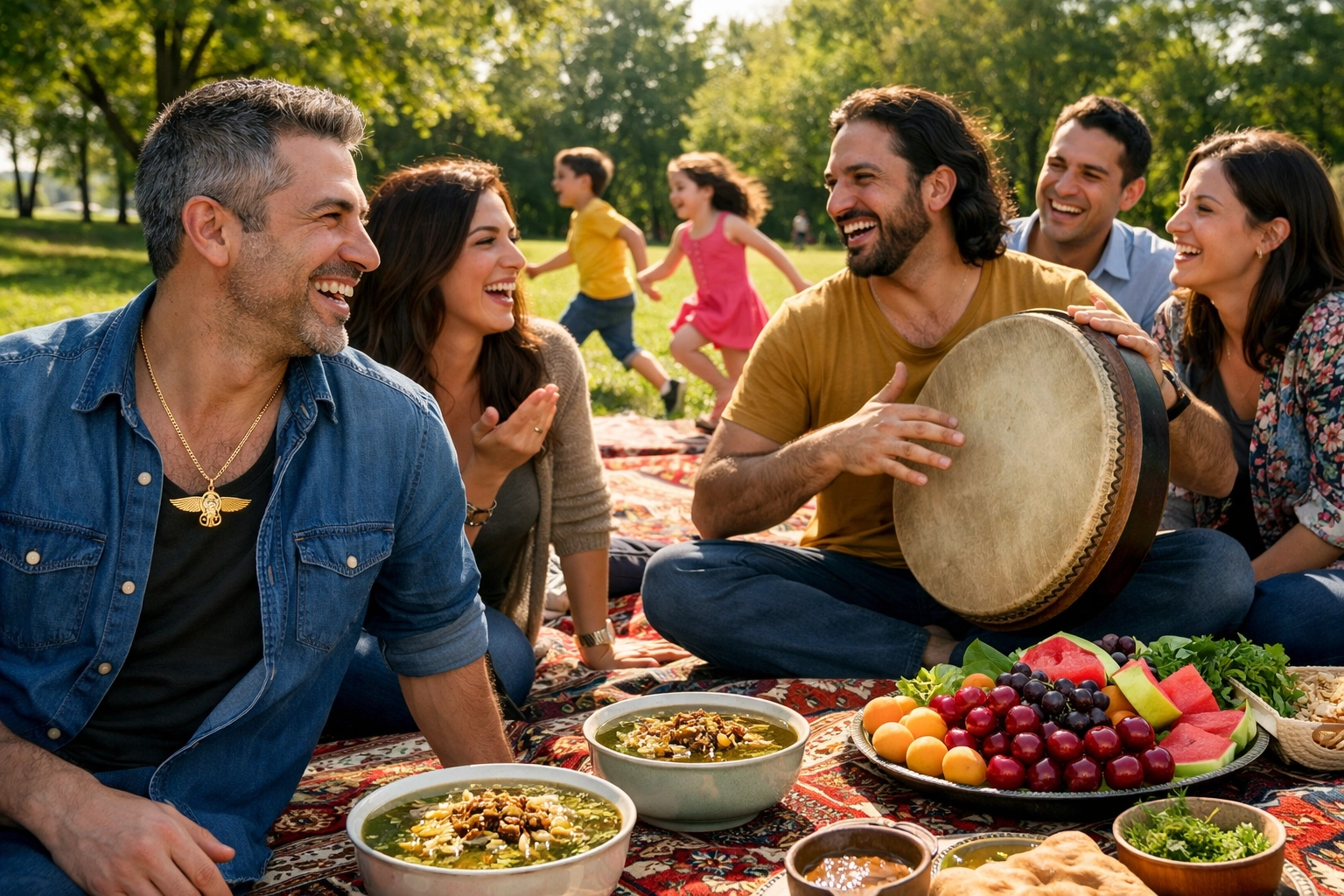
In our faith, joy is a virtue. We believe that by being happy, we strengthen the forces of Good (Spento Mainyu). Sizdah Bedar is a day of immense laughter, music, and community. We gather with family and friends, sharing bowls of Ash Reshteh and kebabs under the open sky.
We play games, we dance, and we breathe in the fresh air. By enjoying the beauty of the world, we are actively participating in the “Frashogard”—the ultimate renovation of the world. Every smile shared on this day is a victory against the shadows. We carry no masks, we hide no joy; we celebrate as free beings under the sun.

Living the Path: Good Thoughts, Good Words, Good Deeds
As we wrap up the Nowruz season, let us remember that the light we felt today must stay with us. Our philosophy is simple yet profound:
- Good Thoughts: Visualize a world of harmony and rain-filled fields.
- Good Words: Speak with kindness to those you meet in the parks today.
- Good Deeds: Leave nature cleaner than you found it. Protect the environment as a sacred duty to Ahura Mazda.
Ready to dive deeper into our ancient wisdom? Explore our platform or Login to your account to access our full library of spiritual education.
سیزدهبدر ۲۰۲۶: آغوش کشیدن نور طبیعت و ریشههای باستانی ما
به وبسایت “نور زرتشت” خوش آمدید. همانطور که چرخ سال میچرخد و جشنهای پرشور نوروز به اوج خود میرسد، ما برای شادترین جشن فضای باز آیین خود آماده میشویم: سیزدهبدر. در این سیزدهمین روز سال نو، ما از خانههایمان بیرون میزنیم و به آغوش آفرینش اهورامزدا میرویم. این روزی برای گرامیداشت زمین، پاکسازی روح و تجدید میثاق با راه “اشا” (راستی و درستی) است.
در سنت زرتشتی ما، سیزدهبدر تنها یک پیکنیک ساده نیست؛ بلکه یک عمل مقدس برای پیوند با طبیعت است. این آخرین “جشن” فصل نوروز است که تضمین میکند نور سال نو را با سرزندگی و شادی به دنیای بیرون ببریم.
تاریخچه مقدس: پیروزی تیشتر
برای درک اینکه چرا این روز را جشن میگیریم، به آسمانها و متون باستانی خود مینگریم. در تقویم زرتشتی، سیزدهمین روز هر ماه به تیشتر، ایزد ستاره باران (شباهنگ)، اختصاص دارد.
افسانههای ما از نبرد کیهانی میان تیشتر و دیو خشکسالی، “اپوش”، سخن میگویند. آنها ده شبانهروز با هم جنگیدند. در نهایت، با نیروی دعا و قدرت نیکوکاران، تیشتر پیروز شد و باران حیاتبخش را به زمین تشنه هدیه داد. وقتی در روز سیزدهبدر به دل طبیعت میرویم، در واقع این پیروزی فراوانی بر کمبود و نور بر تاریکی را جشن میگیریم. ما آب را که مایه حیات است و سبزی را که خوراک روح ماست، ارج مینهیم.
رها کردن سبزه: رها شدن از کهنگی
در طول دوازده روز نوروز، سبزهای که بر سفره هفتسین ما بوده، تمام “ناپاکیها” یا “بیماریهای” خانه را به خود جذب کرده است. سبزه مانند یک فیلتر معنوی عمل کرده و انرژیهای ایستا و کهنه سال گذشته را جمعآوری کرده است.
در روز سیزدهبدر، ما این سبزهها را به کنار آب روان — رودخانه، چشمه یا جویبار — میبریم. همانطور که سبزه را به جریان آب میسپاریم، دعاهای سپاسگزاری میخوانیم. تماشا میکنیم که چگونه آب، انرژیهای قدیمی را با خود میبرد و برای تصفیه به زمین بازمیگرداند. این آیین به ما یادآوری میکند که زندگی یک جریان است. برای دریافت برکات سال نو، باید مایل به رها کردن چیزهایی باشیم که دیگر به روح ما خدمتی نمیکنند.
گره زدن: پیوند دادن آرزوها به زمین
یکی از زیباترین و صمیمیترین سنتهایی که اجرا میکنیم، “گره زدن” است. وقتی در دشتهای سرسبز نشستهایم، ساقههای نازک علف را برمیداریم و به آرامی به هم گره میزنیم.
برای جوانان، این گره اغلب آرزویی برای یافتن نیمه گمشده یا ازدواج در آینده است. برای دیگران، تبلور فیزیکی یک نیت عمیق یا دعایی به درگاه اهورامزداست. همانطور که علف رشد میکند و در نهایت خشک میشود، گره “باز” میشود و این نماد رها شدن آرزوی ما در کائنات برای برآورده شدن است. این لحظهای از تفکر آرام در میان خندههای پیکنیک است؛ پیوندی مستقیم بین قلب ما و خاک.
شادی به مثابه پرستش
در آیین ما، شادی یک فضیلت است. ما باور داریم که با شاد بودن، نیروهای خیر (سپنته مینو) را تقویت میکنیم. سیزدهبدر روز خندههای بیپایان، موسیقی و همبستگی است. ما با خانواده و دوستان گرد هم میآییم و آش رشته و کباب را زیر آسمان باز سهم میکنیم.
بازی میکنیم، میرقصیم و هوای تازه را استشمام میکنیم. با لذت بردن از زیباییهای جهان، ما فعالانه در “فرشگرد” — بازسازی نهایی جهان — شرکت میکنیم. هر لبخندی که در این روز به اشتراک گذاشته میشود، پیروزی علیه سایههاست. ما هیچ نقابی بر چهره نداریم و هیچ شادی را پنهان نمیکنیم؛ ما به عنوان انسانهایی آزاد زیر نور خورشید جشن میگیریم.
پیمودن راه: پندار نیک، گفتار نیک، کردار نیک
همانطور که فصل نوروز را به پایان میبریم، بیایید به یاد داشته باشیم که نوری که امروز حس کردیم باید با ما بماند. فلسفه ما ساده و در عین حال عمیق است:
۱. پندار نیک: جهانی سرشار از هماهنگی و دشتهای پرباران را تصور کنید.
۲. گفتار نیک: امروز در پارکها با کسانی که ملاقات میکنید، با مهربانی سخن بگویید.
۳. کردار نیک: طبیعت را پاکیزهتر از آنچه یافتید، رها کنید. حفاظت از محیط زیست وظیفهای مقدس در پیشگاه اهورامزداست.
آیا آمادهاید تا در حکمت باستانی ما بیشتر غرق شوید؟ از پلتفرم ما دیدن کنید یا وارد حساب کاربری خود شوید تا به کتابخانه کامل آموزشهای معنوی ما دسترسی پیدا کنید.
Keywords: Zoroastrianism, Ahura Mazda, Zarathustra, Sizdah Bedar, Nowruz, Good thoughts good words good deeds, Persian traditions, Ancient Persian philosophy, Tishtrya, Nature Day, Zoroastrian Light.
#SizdahBedar #Nowruz #Zoroastrianism #NatureDay #AncientWisdom #ZoroastrianLight #GoodThoughtsGoodWordsGoodDeeds #Tishtrya #PersianNewYear #SpiritualLiving #Zarathustra #Asha
زرتشت، اهورامزدا، سیزدهبدر، نوروز، پندار نیک گفتار نیک کردار نیک، تیشتر، روز طبیعت، آیینهای باستانی ایران، فلسفه زرتشت.
 Zoroastrian Light - Blog
Leave a comment